

My Story
“I am interested in questions that challenge norms. Ever since I was a teenager, I found it difficult to deal with traditional conventions that restrict thinking and stifle development.”
My childhood and youth strongly influenced me and my later creative work. I grew up in a family that was enthusiastic about art and the humanities: my aunt had studied painting in Munich and Cologne, one of my grandmothers was a portrait artist, one of my uncles designed church windows, and one of my grandfathers was a carpenter, architect, and passionate photographer. Music also played a major role, as two of my uncles were pianists. My father, on the other hand, worked as a doctor and introduced me to philosophical questions at an early age.
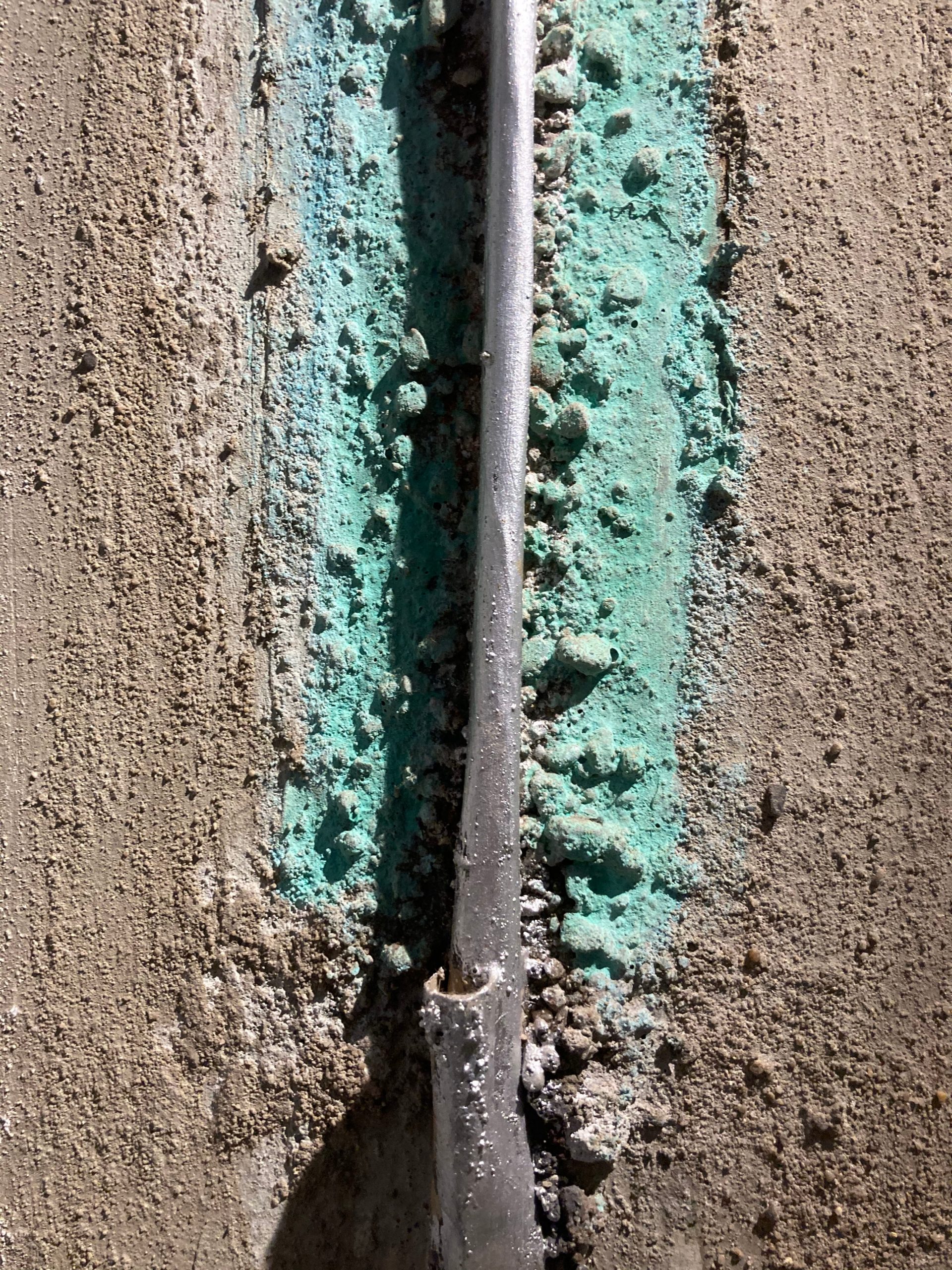
Born in Lüneburg, I got to know different places, landscapes, and mentalities as a child and teenager, as we moved around a lot due to my father’s work. From Düsseldorf to North Africa, from there to Aachen, from there to the Netherlands, and later to the Lower Rhine. The colors and shapes of the natural thermal springs in Hammam Maskhoutine, Algeria, for example, which I have had in my mind’s eye since childhood, were later reflected in my wall objects.
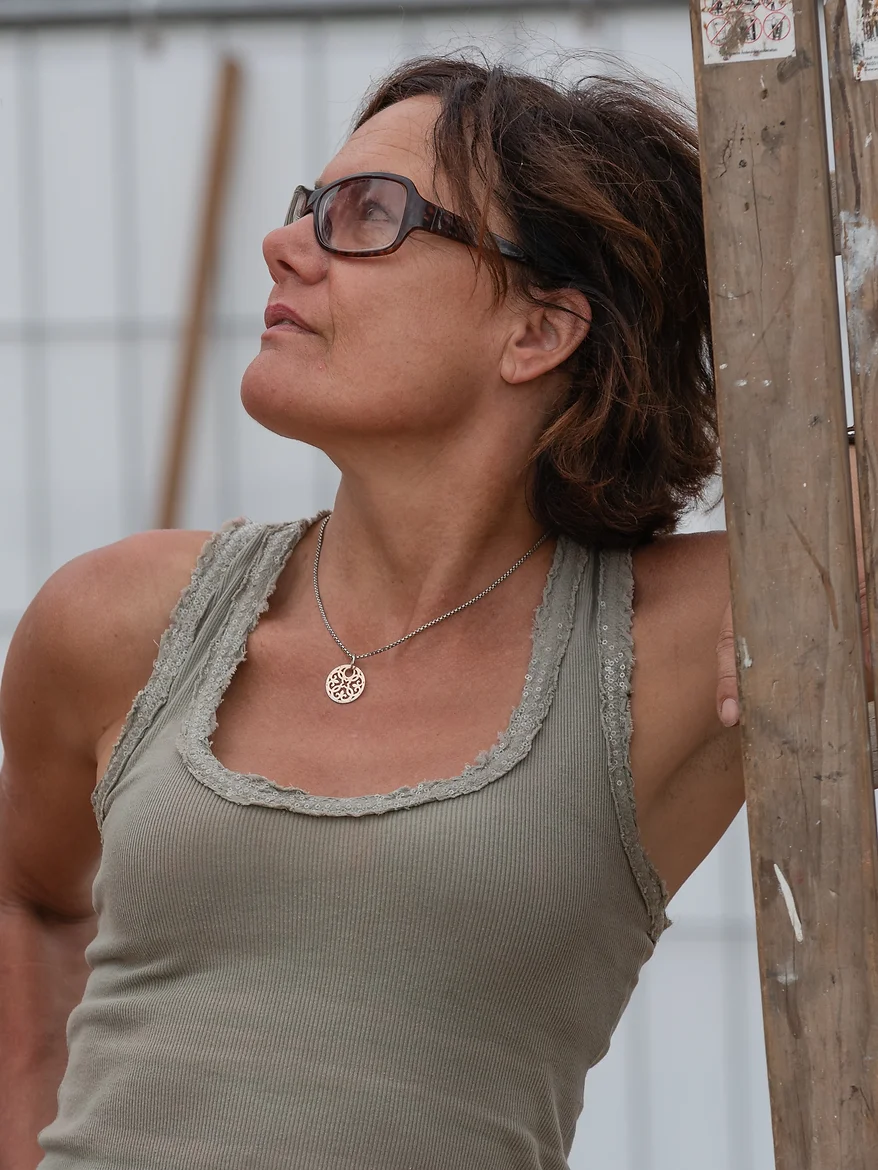
These early ruptures also led to an intense examination of aspects such as life philosophy, self-development and the unfolding of personality. I read Albert Camus’ “The Stranger” with enthusiasm, not least because it is set in Algiers and we had lived in Annaba, Algeria. Isabel Eberhard’s biography, who traveled and lived alone among men, disguised as a man, in the desert, also captivated me. To this day, I am interested in questions that challenge norms. Ever since I was a teenager, I found it difficult to deal with traditional conventions that restrict thinking and stifle development.
I grew up in the 1970s and, at the age of 12, was impressed by the work of the ZERO group, which had formed in Düsseldorf and was exhibited in Helme Prinzen’s gallery in our neighborhood. I was particularly enthusiastic about the work of Günther Uecker. Incidentally, one of my uncles ran a shop for craftsmen’s supplies in Düsseldorf at the time and regularly supplied Günther Uecker, including for the World Exhibition in Osaka.

In painting, it were the expressionists, above all Ernst-Ludwig Kirchner, who influenced me. I soon learned to draw with E.O. Köppke in Düsseldorf; my grandmother dragged me there, much to my delight. Thus, drawing became a constant companion. Very soon, I also started designing small pieces of furniture, which I naturally wanted to build myself. I discovered a small carpentry workshop that offered me the opportunity to realize my designs during the summer holidays. This is how I got into furniture making and working with wood.
Keen to learn interior design from the ground up, I trained as a carpenter after graduating from high school and subsequently studied architecture. At the same time, I continued to draw a lot and became interested in color and its effects. Later in my studies, I increasingly focused on the impact of space and art and the closely related choice of color and materials.
I started out in professional life with interior design at HEE Düsseldorf. During my work there, I came to appreciate many important Italian designers, as well as architects such as Mario Bellini, Alessandro Mendini, and others. The Gruppi Sottsass was also influential for me. In this way, I gained an individual understanding of the connection between architecture, design, interior design, fashion, and contemporary trends. As a result, I increasingly came to perceive space holistically, shaped above all by its use and the people who live or work in it. I began to incorporate my own artistic works into a wide variety of spaces, always driven by the idea of letting materials speak in new forms. And thus revealing their very own effect, distributing meanings.
Space as a holistic artwork. Spaces that speak. Spaces as stages.
In my early 30s, when I had my first child, I took the first step into freelance work. Back then, I was already living in Bonn, and commuting to Düsseldorf while raising a child—and later two more sons—became logistically impossible. Luckily for me, my boss at that time was very supportive and encouraging. I worked on a contract basis for various architecture and design studios while also pursuing my artistic endeavors. For a long time, these activities took place at the intersection of art and interior design, although over the years, the latter element was overshadowed by my increasing interest in rural and urban spaces.
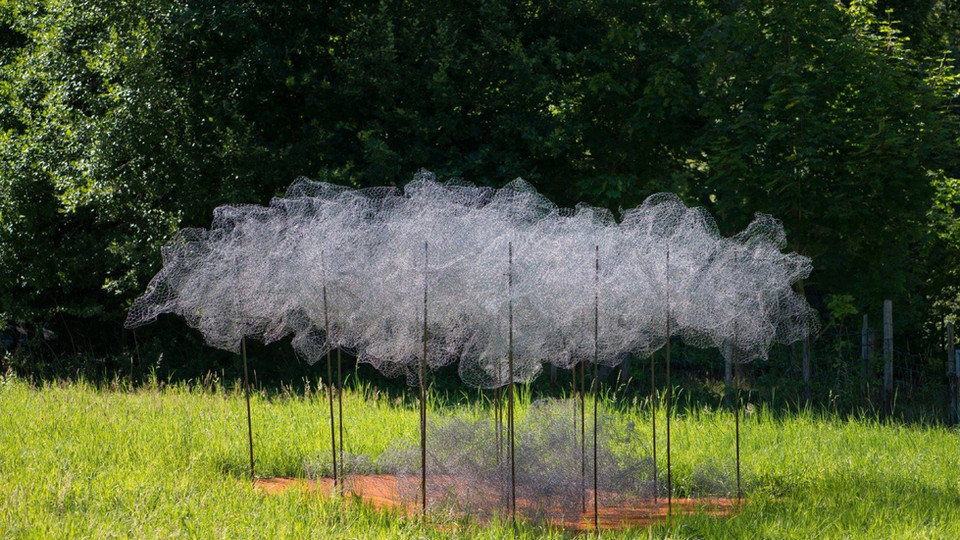
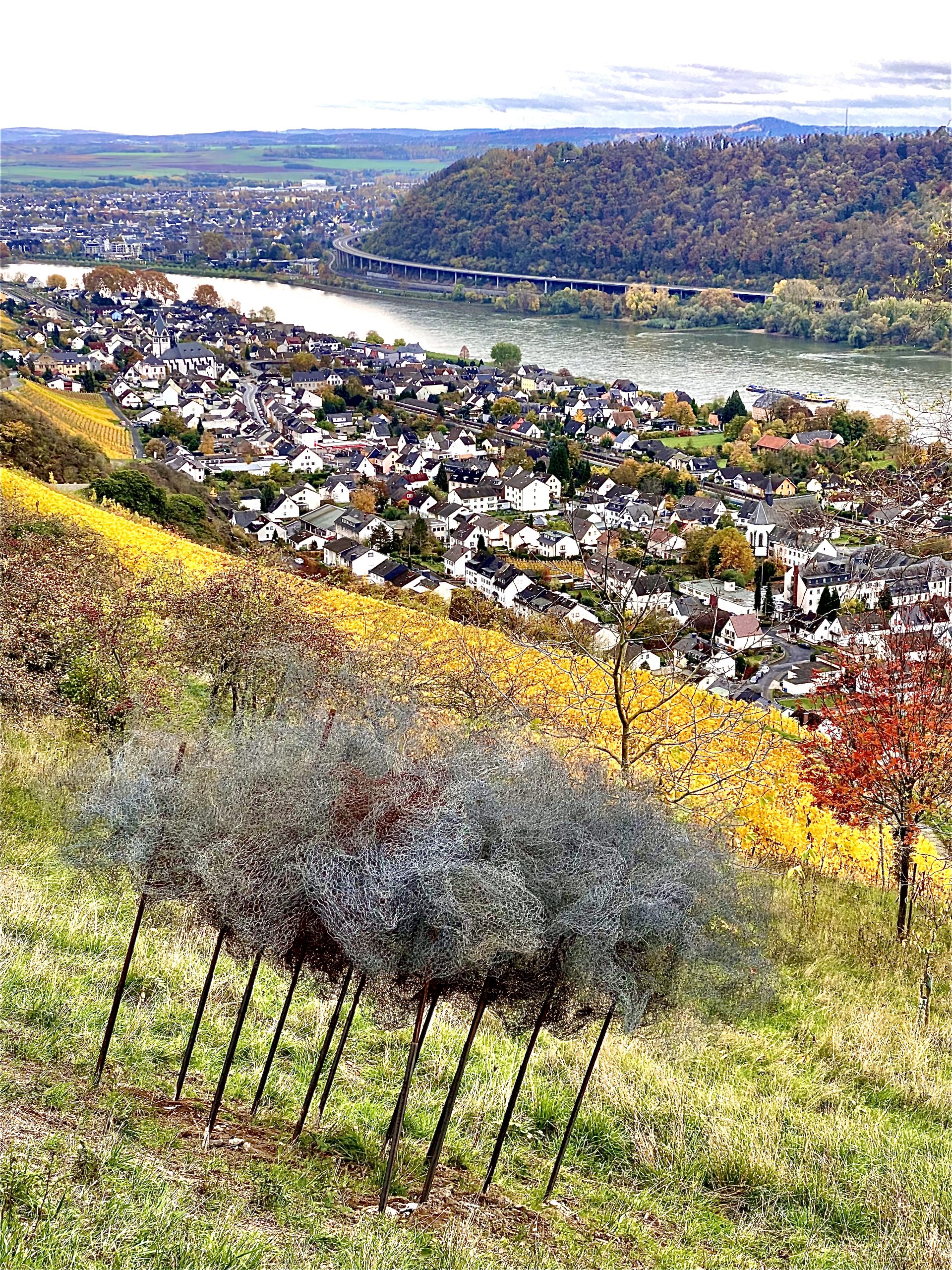
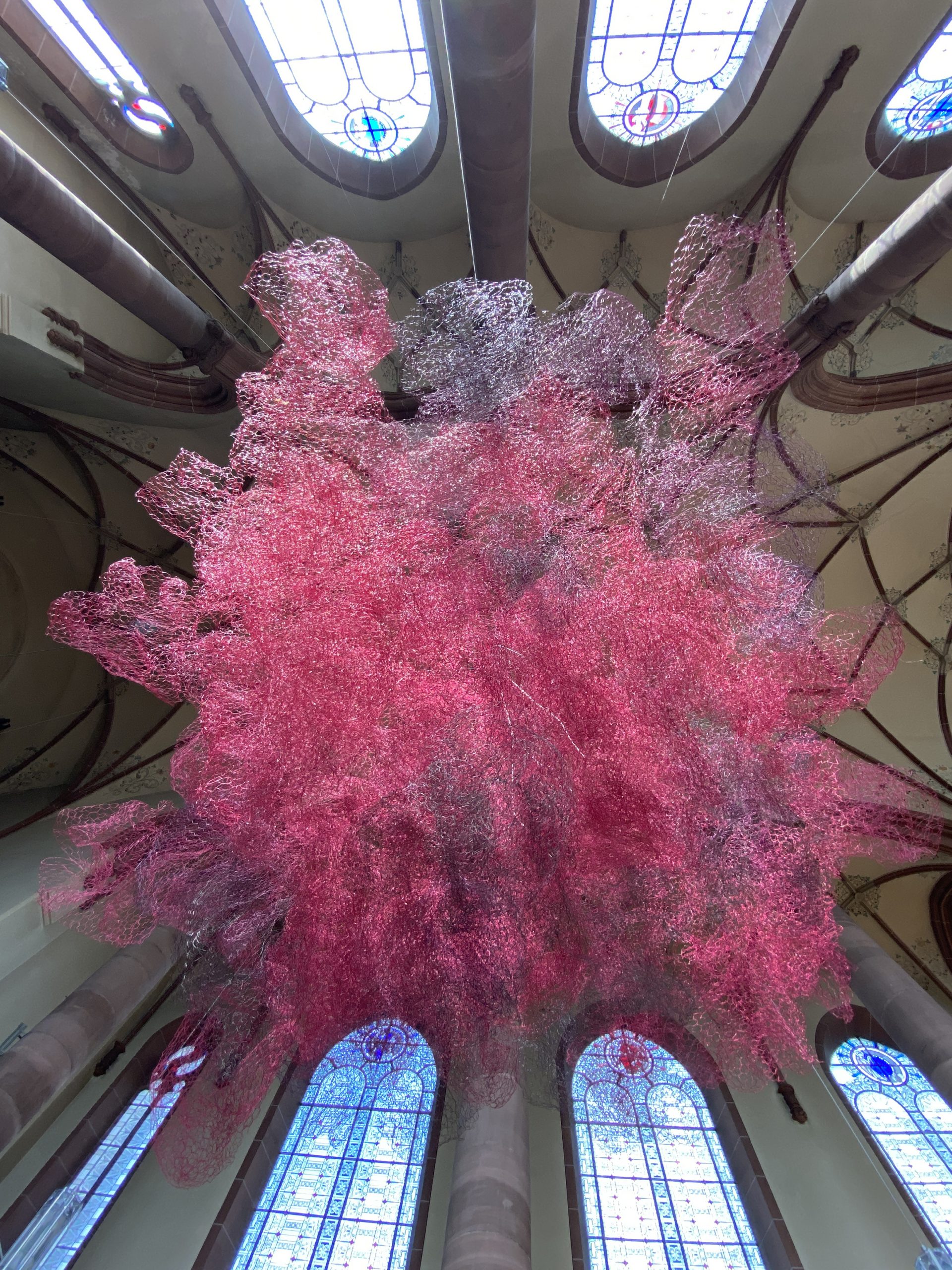
As has often been the case, a groundbreaking idea in this regard came to me about 13 years ago while running, which I have been doing intensively since my youth—at times also as a competitive athlete in track and field. The Venusberg hill above the center of Bonn was my running home at that time. Here, I had the idea of a huge UFO-like cloud, a thing from the future that would land on the vast meadow there. It would be a counterpoint to the current appearance of nature up there, opening up an utopian view of a possible future. In the subsequent implementation of this installation, I used “chicken wire” as a material for the first time, which, despite or perhaps even because of its originally limiting and restrictive purpose, is wonderfully suited to forming fleeting, flowing, or growing shapes. This also marked the birth of my series “Once upon a time…,” which I have been continuously developing ever since.
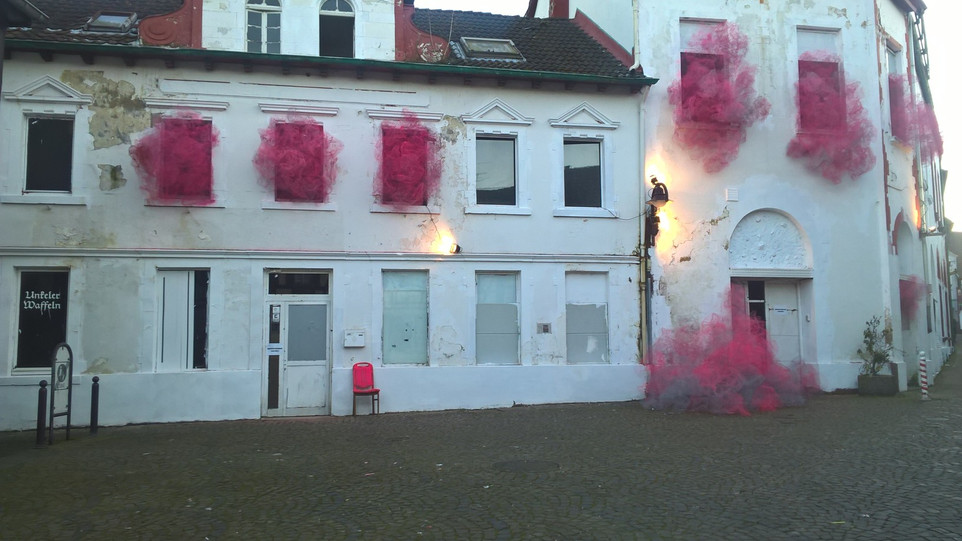
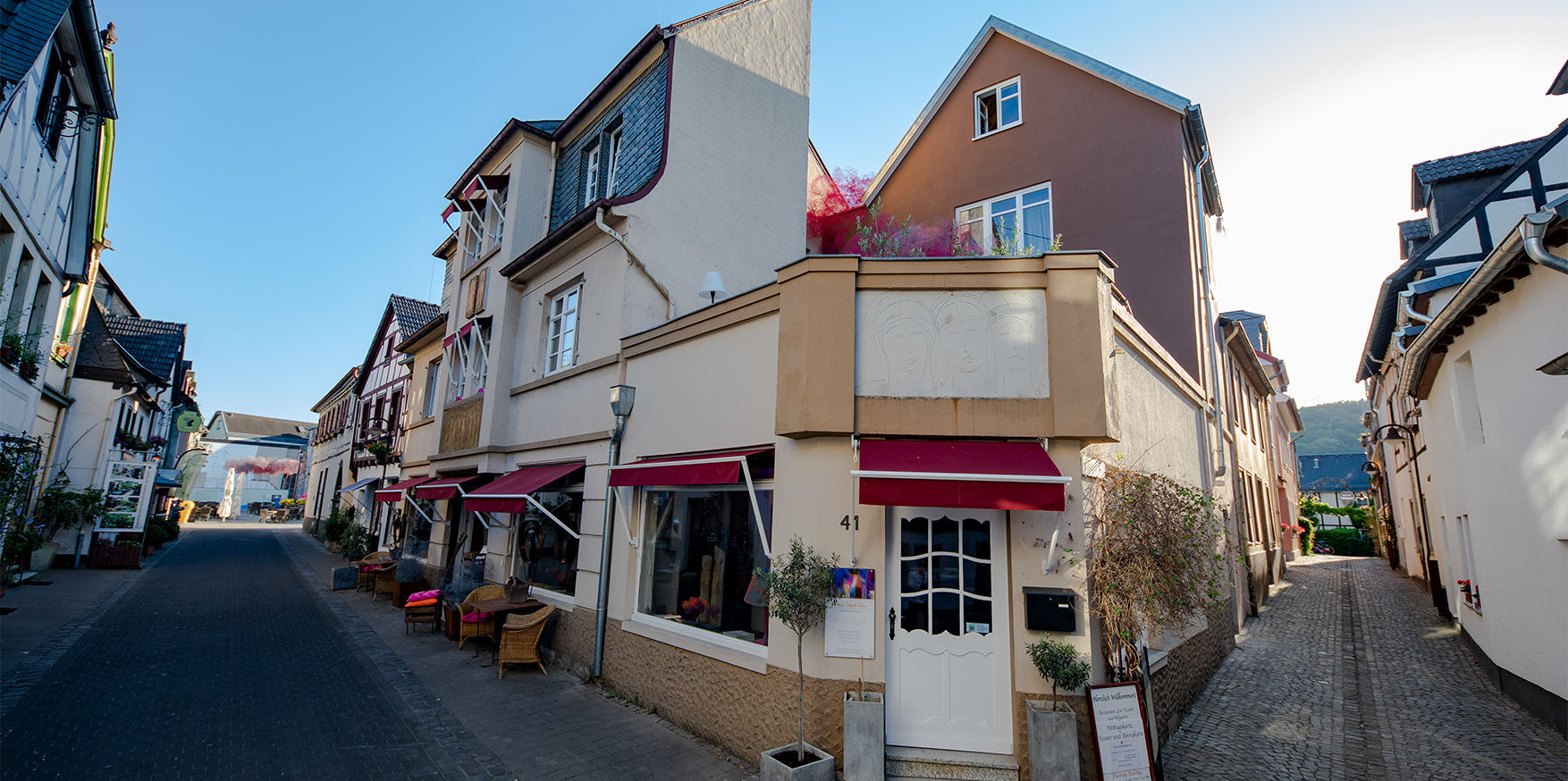
For example, “Once upon a time…” initially used only untreated wire mesh across several chapters, exposed to nature and decay. Later, in urban spaces, the use of paint and coatings followed, as the urban environment demanded a more striking call for attention. And so the color pink was added when, in 2019, I staged the venerable and now crumbling “Löwenburg” in my adopted home of Unkel on the Rhine with pink clouds. Pink as the little red, poetry and publicity in equal measure. PINK as a fake color that some like and others don’t. I wanted to create eye-catchers that, according to my goal, would naturally be talked about.
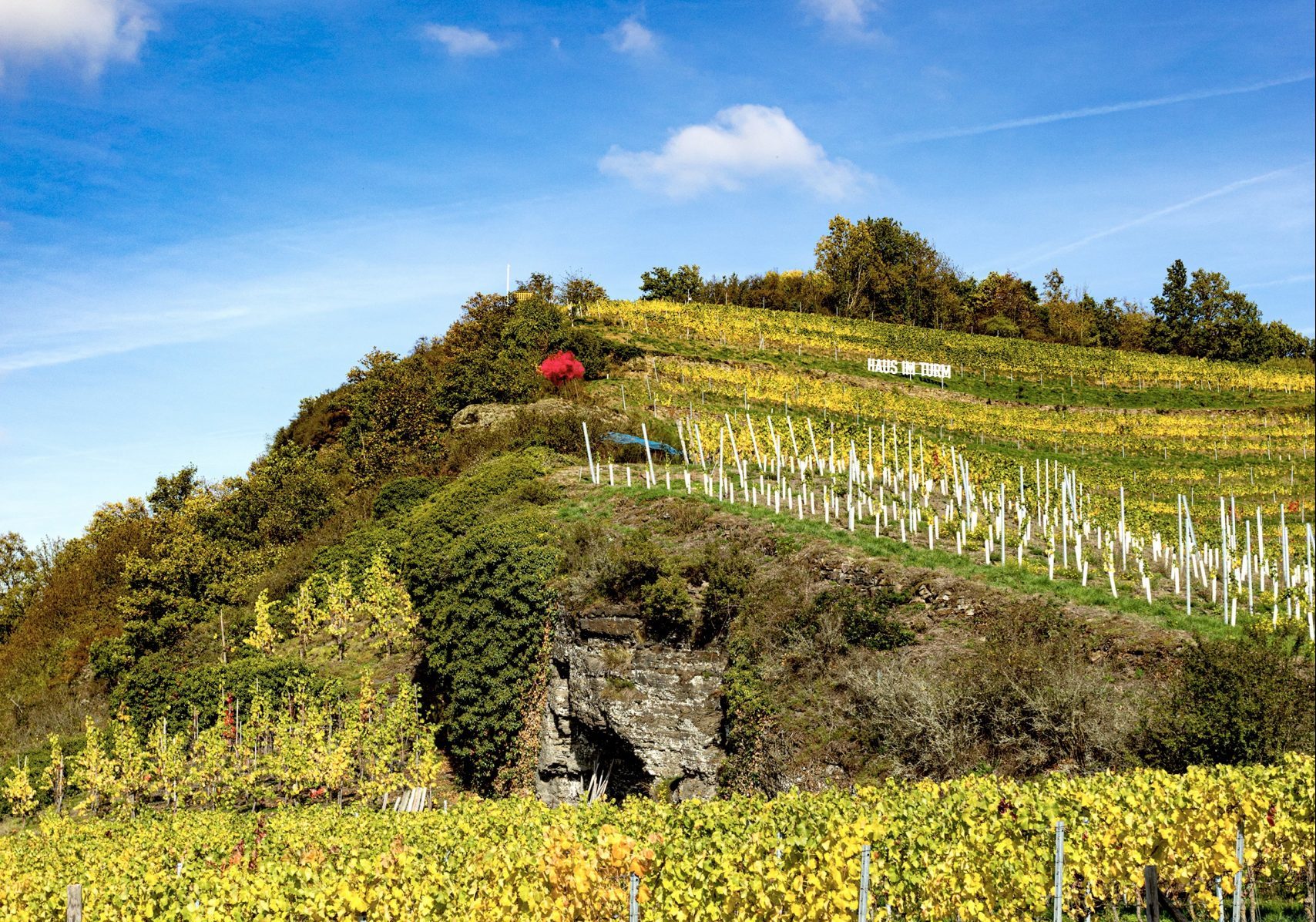
Speaking of Unkel, where I have been living and working for nine years now: Here I live a slower pace of life, 20 minutes away from the nearest large city, Bonn. Between the Rhine, vineyards, and the view of the Siebengebirge mountains. Connected to the region, the romantic landscape of the Upper and Lower Middle Rhine Valley, as demonstrated by my installations in Neuwied and Leutesdorf, among others, as well as my participation in the Sculpture Triennial in Bingen. Also connected to the world, see not least the chapters “Once upon a time… Unkel goes to Venice” and “Once upon a time… Mandranova.” And connected to history: this is not only evident in the many old half-timbered houses in Unkel’s old town, but also in the fact that the biographies of the two German chancellors Konrad Adenauer and Willy Brandt are closely linked to Unkel.
Finally, this is a home base that, with the mighty Rhine and the rolling hills, reminds me in some ways of the landscapes of my childhood in Algeria and is also the perfect source of inspiration and energy for my future projects.

Key milestones and excerpt of exhibitions
- 1965 Born in Lüneburg, Germany, childhood in Netherlands, Algeria and Niederrhein
- 1984 -1987 Training as a Carpenter
- 1988 -1992 Study of architecture in Cologne, Germany
- Various activities with architects and interior designers in Germany and Italy, among others architecture office Knortz und Hoffmann Neuß, HEE Düsseldorf, Atria Floor Italy
- 1999 Foundation of own studio
- 2000 Studio show
- 2000 Start cooperation with real estate companies
- 2001 Architectural art
- 2003 Group show architectural art, Cologne
- 2004 Galerie DUO, Bernd Bentler, Bonn
- 2005 Art and church, protestant church Bonn
- 2006 WATER, exhibition Bonn
- 2006 Art and hospital, Protestant hospitalsBonn
- 2007 ART needs ROOM, architectural art Bonn
- 2007 Gallery Hyna, Rottach-Egern, Bayern Germany
- 2007 „Lieber barfuß als ohne Buch“ exhibition University Bamberg, South Germany
- 2007 Exhibition IKL,Tegernsee
- 2008 Study Trips to Italy, France
- 2008 Architectural art, Zurich Insurance Bonn
- 2010 Frauenmuseum, Bonn
- 2010 Exhibition Ruhr 2010, Essen Germany
- 2010 Architectural art Strahlenklinik Bonn-Rhein-Sieg
- 2011 Terra Vino, historic architecture and art Bad Godesberg
- 2012 Cooperation In Design Germany and Atria Floor Italy
- 2012 Terra Vino, Restaurant and Wine Bar, all rooms in-and outdoor
- 2013 Strahlenklinik Bonn-Rhein-Sieg, Marienhospital
- 2013 Shipyard Rheinbrohl, Groupshow USS Fabrik
- 2013 Kunstsalon Remagen
- 2014 Groupshow Synagoge Ahrweiler, Germany
- 2014 Cooperation Kamel Achrafie, Architekt, Richardson Architects London
- 2015 Therhineprize, 1. Place in the category Installation in landscape
Jury: Markus Lüpertz, Dr. Kornhoff, Klaus Honnef - 2016 Weithorn Galerie Düsseldorf
- 2017/ 2018 “ Once upon a time…vineyard Leutesdorf
- 2018 Groupshow Weithorn Gallery Düsseldorf
- 2018/ 2019 “ Once upon a time…Löwenburg Unkel
- 2019 START SCULPTURE, Sculpture Network
- 2019 Biennale di Venezia
- 2022 Fasanenstraße by Gallery Weekend Berlin
- 2022 Pink Clouds Pedona Camaiore, Italy, Private Collection
- 2023 Clouds on the Rock Ühleklützje
- 2024 Member of the international artist group “artorale”
- 2024 Collaboration on projects with Kati Eva Gaj, curator and art consultant
- 2024 Public Art… Finalist in the competition for the experimental hall of the Bergische Universität
- 2024 Artelagunaprize Special Prize: Artist in Residence – Mandranova
- 2024 Artelagunaprize Special Prize: Veneto – Vegal
- 2025 Realization of the series “Once upon a time… Mandranova” in Sicily
- 2025 Represented by Galerie Sol St. Tropez, France
- 2025 Represented by Galerie Paxmann, Bonn, Germany
- 2026 Solo-show at Galerie Paxmann, Bonn, Germany
- 2026 Participation in “Skulpturen Triennale Bingen”, Germany